
How the studio
actually runs.
A solo studio in Daphne, Alabama. Direct strategy work stays focused; a standardized production system supports repeat agency builds without turning the finished work into a commodity.
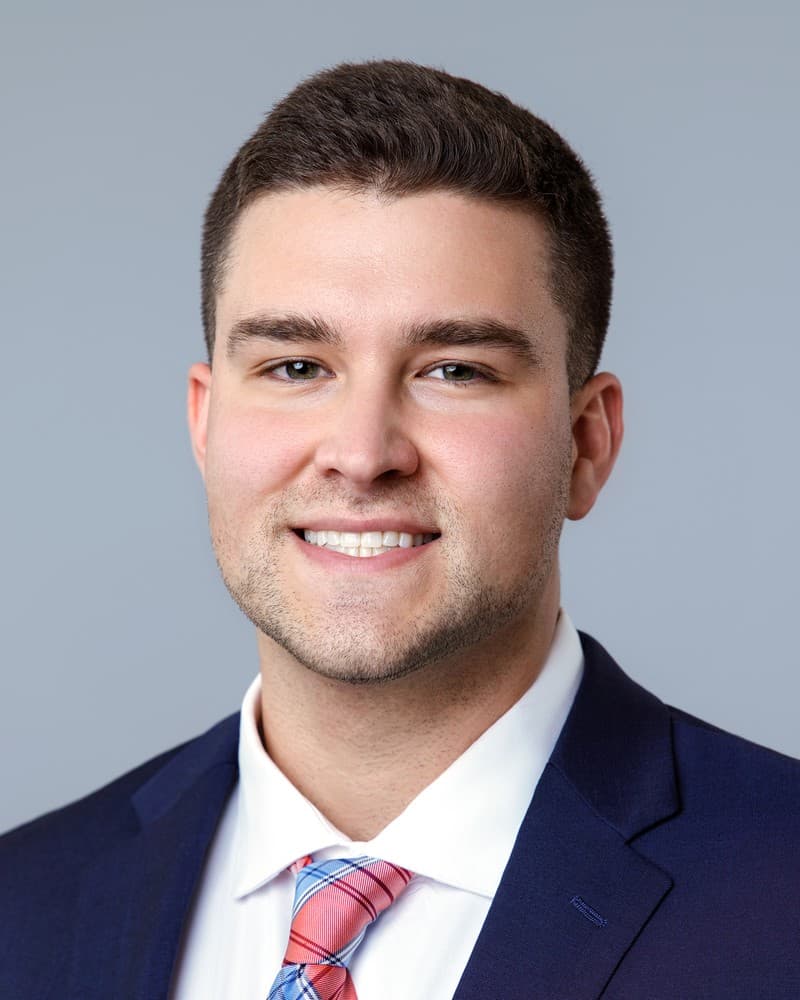
Peyton Campbell.
I run this studio solo from coastal Alabama, in the hours around a full-time day job. Direct strategy engagements stay selective. Agency production runs through a stricter intake, defined review windows, and reusable build infrastructure so repeat volume can be scheduled without lowering the standard.
Healthcare is one of the two verticals I build in, and I hold that work to the realities clinical practices actually face — booking flows, insurance verification, HIPAA-adjacent content rules, the difference between marketing voice and clinical voice. What comes out of it: 146 patient-education apps in twelve months, two programmatic platforms past 300 pages, and the automation that runs them. That depth is why my medical clients trust me with their sites and why my trade clients trust me with their architectures.
Solo, with rigorous AI-assisted workflows. No subcontractors, no offshored work, no account managers. You talk to me. I build it. I'm responsible for the outcome.
Three things
that don't bend.
Owner-operator, no account managers
You talk to me. I build it. I'm responsible for the outcome. No subcontractors, no offshored work, no junior designer between the brief and the finished site.
Focused direct work, repeatable agency production
Direct engagements stay concentrated in healthcare and local services. Agency partners can use the same production system for repeat client builds under a written intake and approval process.
Architectures, not brochures
Programmatic SEO matrices, intake pipelines, GBP automation, structured data schemas. The site is infrastructure that runs, not a brochure that sits.
Real days,
not phases.
Scope, content inventory, sitemap, route plan, schema plan, GBP audit if local. You leave the kickoff with a written scope and a launch date.
A working preview URL on Vercel with the homepage, navigation, and the first two production routes. Real copy, real layout, real schema — not Lorem.
Production deploy. GA4 + GSC wired. 301 redirect map for every existing URL if migrating. NAP consistency check across 30+ directories for local-service builds.
Indexation coverage, Core Web Vitals from real-user data, GBP Local Falcon baseline, and a written read on what's working and what to adjust next.
Most engagements run 4–12 weeks from kickoff to launch. Multi-location ecosystems and large programmatic-SEO platforms run on the longer end. The cadence flexes around content readiness — we won't launch a service page that doesn't have real copy.
What I build,
and what I don't.
What I build
- Multi-location medical and clinical practice ecosystems
- Programmatic SEO architectures for local service businesses
- White-label website production and retained build capacity for agencies
- WordPress support and WordPress-to-Next.js migrations
- Google Business Profile operations — review velocity, photo cadence, posts cadence, Q&A architecture, GBP API automation, NAP integrity across 30+ directories
- Custom interactive tools — 3D, calculators, diagnostics, assessments
- Connected microsite ecosystems (clinic + shop + book + institute models)
- Brand systems and visual identity
- Content systems that scale (learning libraries, blog architectures)
Verticals I work in
- Healthcare: medical aesthetics, functional medicine, hormone therapy, weight management, dental, multi-location specialty practices
- Home services: HVAC, plumbing, electrical, roofing, multi-location trade brands
- Professional services where local SEO and multi-location architecture matter
What I don't do
- E-commerce platforms beyond simple Shopify integrations
- Mobile apps
- One-page sites under $5K
- Backlink campaigns or generic SEO retainers that don't tie to a specific build, GBP operations program, or content engine
The studio I build alongside
Gulf Group Software runs the same engineer-first approach out of Pensacola — Caleb Hughes writes his clients' code the way I write mine, no page builder in the middle. Custom-coded sites, SEO, and Google Business Profile work for service businesses across the Gulf Coast. Worth a look if you are building on the Florida side of it. The rest of the network is on the partners page.
Twelve lines
from a real production file.
A small, sanitized excerpt from the matrix generator behind Air Solutions' 384-page platform. Rendered with Shiki at build time.
export function allCrossPagePairs(): { city: string; service: string }[] {
  return cities.flatMap((c) =>
    services.map((s) => ({ city: c.slug, service: s.slug }))
  );
}

// Air Solutions: a city × service matrix across Baldwin County —
// part of a 384-page platform, live on the sitemap (2026).
// generateStaticParams() prerenders every cell at build time.
// Each page composes from real local data (NOAA climate, Census housing,
// utility rebate territory, FEMA flood zone) and unique prose
Things people
ask before signing.
Direct engagements and agency production use the same build standard.
Send a few specifics,
I'll send honest notes.
Send the business name, a link to the current site, what you're trying to accomplish, an approximate budget, and a timeline. I read every inquiry personally.